Solo Travel
Traveling alone can feel like stepping into a wide, unscripted landscape where every choice belongs to you. For many people, that freedom turns a simple trip into a lesson in confidence, observation, and adaptability. Solo travel matters today because flexible booking tools, remote work patterns, and wider global curiosity have made independent journeys easier to attempt. It is not only about seeing new places; it is also about learning how you respond to the world when routine no longer speaks for you.
Outline
- The rising appeal of solo travel and why it fits modern life
- The personal growth that often comes from navigating unfamiliar places alone
- The practical advantages of flexibility, budgeting, and self-directed planning
- The role of safety, preparation, and emotional awareness in a successful trip
- A conclusion for first-time and curious travelers who want to begin wisely
Why Solo Travel Resonates in a More Flexible World
Solo travel has moved from a niche preference to a mainstream travel style, and that shift did not happen by accident. Over the last decade, planning a trip has become far less dependent on travel agents, fixed tour schedules, or large companion groups. A traveler can compare flights, read neighborhood reviews, book train seats, download offline maps, translate menus, and check public transit in minutes from a phone. That practical ease has lowered the barrier to independent travel, especially for people who once assumed that going alone would be too complicated.
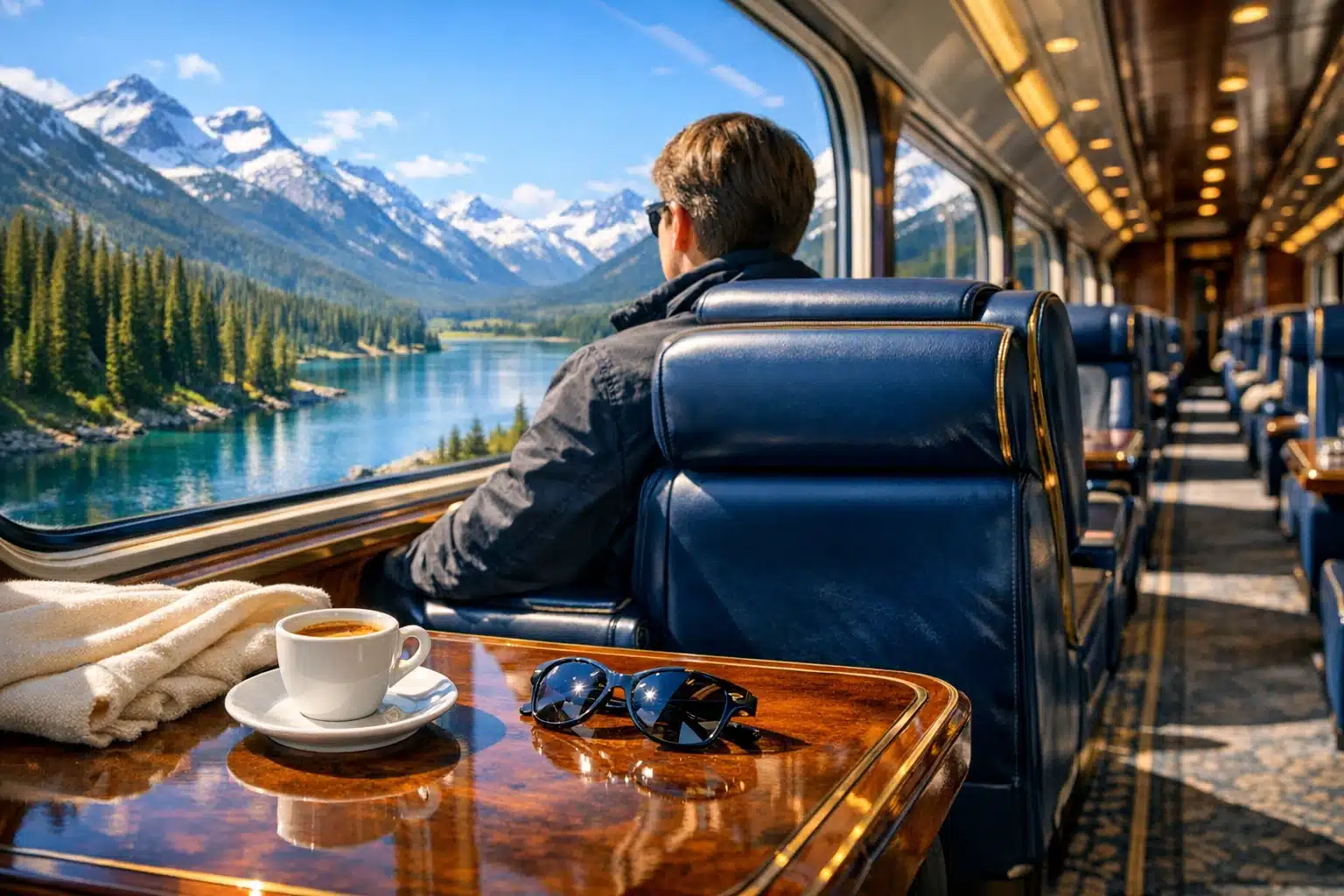
There is also a cultural reason behind its popularity. Many travelers now value experiences over rigid sightseeing checklists. Instead of rushing through ten attractions with a packed schedule, they want room for slow mornings, unplanned museum visits, a street-side lunch that stretches into the afternoon, or a train ride taken simply because the landscape looks inviting. Solo travel supports that style naturally. Without the need to coordinate multiple preferences, one person can shape the pace, budget, and priorities with remarkable clarity.
Compared with group travel, solo travel offers fewer built-in compromises. A group may provide companionship and shared costs, but it often comes with negotiations about where to stay, when to leave, how much to spend, and what counts as a worthwhile day. Solo travelers still face trade-offs, of course, yet those trade-offs are personal rather than collective. If you want to wake early for a market, spend three quiet hours in a gallery, or change cities at short notice, the decision is yours alone.
That does not mean solo travel is automatically better. In fact, it suits some personalities, destinations, and trip purposes more than others. A family holiday, a reunion, or an adventure requiring specialized support may work best with company. Still, solo travel has a distinct value because it teaches independence through ordinary moments. Ordering breakfast in a new language, finding the right platform at a crowded station, or choosing a neighborhood café without outside input sounds simple, yet these small acts reshape confidence over time.
Picture the first morning in an unfamiliar city: the street is waking up, shutters rise, cups clink behind a bakery counter, and nobody knows your name. For some, that scene feels intimidating. For others, it feels expansive. In that quiet space between uncertainty and possibility, the appeal of solo travel becomes easy to understand.
Personal Growth, Confidence, and the Inner Side of the Journey
One of the strongest arguments for solo travel is that it develops a kind of confidence that is difficult to simulate at home. Daily life often hides how much we rely on familiar routes, familiar people, and familiar habits. When those supports are removed, even temporarily, we see our decision-making more clearly. You choose the route, solve the delay, ask the question, and recover from the wrong turn. The result is not dramatic reinvention. More often, it is a quieter and more durable form of self-trust.
That self-trust grows because solo travel demands active participation. On a group trip, tasks are naturally divided. One person checks directions, another handles bookings, and someone else sets the social tone. Alone, you take responsibility for the full experience. You manage timing, safety, meals, transport, and energy levels. That responsibility can be tiring, but it is also educational. Many people return from a solo trip with a stronger sense that they can handle complexity without panic.
Another benefit is heightened attention. When there is no companion to speak with constantly, you notice more. You listen more carefully to the rhythm of a neighborhood. You recognize how locals move through a station, how light changes across a square, and how your own mood shifts through the day. In this sense, solo travel can sharpen observation in a way that feels almost literary. A harbor at dusk, a handwritten menu, a conversation half understood on a bus: details that might disappear in company often stay with you when you are alone.
There is also an emotional dimension. Travel alone can reveal your habits under stress and your preferences under freedom. Some people learn that they love long, unstructured afternoons. Others discover they need routines, early nights, or regular contact with friends back home. Neither outcome is disappointing. Both are useful. Knowing how you function away from home can improve future travel and even ordinary life.
Common personal gains from solo travel include:
- Improved decision-making under mild pressure
- Greater comfort with solitude
- More realistic confidence, built through action rather than theory
- Better awareness of personal limits, energy, and priorities
Importantly, growth does not mean every moment feels inspiring. Some evenings are lonely. Some train connections fail. Some meals feel awkward. Yet those less polished experiences are part of the value. Solo travel teaches that discomfort is often temporary, manageable, and far less powerful than it first appears. That lesson can travel home with you long after the suitcase is unpacked.
Freedom, Budget Control, and the Practical Benefits of Going Alone
Beyond the emotional appeal, solo travel offers concrete advantages that make it attractive for many travelers. The most obvious is flexibility. When traveling alone, you do not need to synchronize interests, sleep schedules, food preferences, or spending styles with others. A solo traveler can build a day around one museum, six street-food stops, a mountain trail, or no fixed plan at all. This is especially valuable in destinations where opportunities appear unexpectedly, such as a last-minute ferry, a local festival, or a recommendation from a guesthouse owner.
Budgeting is another area where solo travel can be surprisingly efficient, even if it is not always cheaper. It is true that individuals cannot split private rooms, rental cars, or taxis as easily as pairs or groups. However, solo travelers often compensate with greater control. One person can choose a hostel over a boutique hotel, a night train over a flight, or a small local restaurant over a highly rated but expensive venue without negotiating with anyone. That freedom can keep costs aligned with actual priorities rather than social expectations.
The practical benefits often look like this:
- You can spend more on what matters to you and cut back on what does not
- You can change destinations quickly if weather, cost, or mood shifts
- You avoid the hidden expense of group compromise, such as paying for activities you never wanted
- You can structure travel days around energy and comfort rather than obligation
Solo travel can also deepen cultural engagement. A traveler alone is often more approachable than a tightly bonded group. Locals may be more likely to start conversations, offer directions, or recommend a neighborhood place to eat. Fellow travelers in hostels, walking tours, co-working cafés, and train compartments often speak more readily to someone who appears open and self-directed. In this way, traveling alone can create more interaction, not less.
There is a subtle comparison worth making here. Group travel often excels at shared memory. Solo travel often excels at personalized meaning. If three friends visit a city together, they may remember the same jokes, the same meals, and the same detours. If one person travels alone, the memories tend to attach more directly to place, mood, and discovery. The day belongs to the traveler in a more complete way.
Imagine arriving in a coastal town with no agenda beyond curiosity. You walk until the streets narrow, find laundry swaying above stone alleys, hear cutlery on a terrace, and decide to stay longer simply because the place feels right. That kind of adjustment is the grammar of solo travel: choice, response, and movement shaped by one mind instead of many.
Safety, Planning, and How to Handle the Real Challenges
Solo travel is rewarding, but it works best when freedom is supported by preparation. Safety is not about fear; it is about reducing avoidable problems so that attention can stay on the experience itself. A good solo trip usually begins before departure with destination research, realistic budgeting, accommodation choices, transport planning, and a clear sense of local customs. Knowing whether a city is easy to navigate at night, whether cash is still widely used, or whether public transit is reliable can make a major difference.
One useful habit is to think in layers. Instead of relying on a single plan, build backups. Keep digital and paper copies of important documents. Save your accommodation address offline. Share a broad itinerary with a trusted person. Carry more than one way to access money if possible. Arrive in a new city with enough information to reach your lodging without needing perfect internet access. These are ordinary precautions, yet they reduce stress significantly.
Practical safety habits for solo travelers often include:
- Choosing well-reviewed accommodation in a location that matches your arrival time and transport options
- Researching common scams in the destination, especially around stations and tourist districts
- Using official taxis, licensed ride apps, or verified transport providers when arriving late
- Trusting discomfort early rather than explaining it away
- Keeping emergency contacts and travel insurance details easy to find
Another challenge is loneliness. This is perhaps the most misunderstood part of solo travel. Being alone is not the same as feeling isolated, and social contact does not always require a travel companion. Walking tours, cooking classes, hostels with private rooms, language exchanges, and small group excursions can create structured opportunities to meet people. At the same time, it helps to accept that occasional loneliness is normal. It does not mean the trip is failing. It usually means you are having a human experience in a new setting.
There are also destination-specific considerations. Some places are easier for first-time solo travelers because they have strong tourism infrastructure, reliable transit, and clear signage. Others reward confidence and patience but may feel intense for beginners. Starting with a short trip, a familiar language environment, or a city known for accessibility is often wiser than turning the very first solo journey into a test of endurance.
The goal is not to eliminate uncertainty entirely. Travel would lose much of its texture if everything were controlled. The better aim is balance: enough planning to stay safe, enough flexibility to remain curious, and enough self-awareness to know when to push forward and when to slow down. A well-prepared solo traveler is not rigid; they are simply equipped.
Conclusion for First-Time and Curious Solo Travelers
For travelers who are interested in going alone but still feel unsure, the most helpful truth is this: solo travel does not require a fearless personality. It usually requires preparation, honesty about your comfort level, and a willingness to learn as you go. You do not have to begin with a month across several countries. A weekend in a nearby city, a train-based itinerary, or a short trip built around one clear purpose can be enough to show you how independent travel feels in practice.
What makes solo travel meaningful is the combination of freedom and responsibility. You gain the ability to shape your own time, follow your real interests, and move at a pace that fits your energy. In return, you accept the work of planning, problem-solving, and caring for yourself in unfamiliar settings. For many people, that trade feels worthwhile because the rewards are lasting. Confidence becomes more grounded. Preferences become clearer. Places are remembered not only for what was seen, but for how they were navigated.
If you are the kind of reader who likes structure, solo travel can still suit you. Plan carefully, book the first nights in advance, save directions offline, and keep your days simple. If you are more spontaneous, solo travel may feel even more natural, but structure still matters when safety and logistics are involved. Either way, the goal is not to imitate someone else’s travel style. The goal is to create a journey that matches your temperament while leaving room for discovery.
A useful way to begin is with a short checklist:
- Pick a destination that feels exciting but manageable
- Set a realistic budget with emergency space built in
- Book arrival logistics before departure
- Choose one or two anchor activities, then leave room around them
- Stay open to quiet moments as well as memorable highlights
Solo travel will not solve every problem or transform every traveler into a new person overnight. What it can do is offer a clearer encounter with the world and with yourself. For first-time explorers, that may be the real gift: not escape, not performance, but a chance to move through a place with attention, agency, and a deeper sense of your own direction.