Adventure Travel
Introduction
Adventure travel has moved from the fringe to the mainstream because more travelers want motion, uncertainty, and meaning instead of a checklist of familiar landmarks. A dawn summit, a river rapid, or a desert crossing can sharpen attention in ways that ordinary holidays rarely do. Yet the same forces that make these trips unforgettable also raise the stakes for planning, safety, budgeting, and environmental judgment. This guide maps the terrain so thrill seekers can pursue intensity with skill rather than guesswork.
Not every daring trip looks the same, and that is exactly why the category is so compelling. One traveler wants technical climbing, another wants a long-distance trek with basic comforts, and someone else dreams of diving through coral walls or cycling across remote valleys. Before getting into routes, costs, and safety systems, it helps to see the bigger structure of the journey.
Article Outline
- How to match your personality, fitness, and risk tolerance to the right kind of adventure
- How destinations, weather windows, permits, and budgets shape the final plan
- How skills, gear, and health preparation turn uncertainty into manageable challenge
- How guided trips compare with independent travel, and why ethics and sustainability matter
- How thrill seekers can build a long-term approach that keeps the excitement alive without becoming reckless
1. Choosing the Right Kind of Adventure for Your Ability, Curiosity, and Risk Tolerance
The phrase adventure travel sounds dramatic, yet it covers a broad spectrum that stretches from beginner-friendly kayaking to expedition-level mountaineering. That range matters, because the best trip is rarely the hardest one on paper. The right choice sits where interest, preparation, fitness, and emotional comfort meet. A traveler who loves exposure, cold weather, and self-reliance may thrive on alpine routes, while someone drawn to wildlife, culture, and daily movement may find a multi-day jungle trek far more satisfying. Matching the trip to the person is not a compromise; it is the foundation of a better experience.
A useful way to think about this is the difference between soft adventure and hard adventure. Soft adventure includes activities such as guided hiking, snorkeling, sea kayaking in calm water, or hut-to-hut trekking with luggage transfers. Hard adventure usually involves technical skills, higher exposure, difficult terrain, or limited margin for error, such as ice climbing, advanced whitewater rafting, backcountry skiing, or remote diving. Neither category is superior. Soft adventure often allows deeper attention to place, local culture, and endurance, while hard adventure asks for sharper technical judgment and more disciplined systems.
Start with an honest self-assessment rather than a cinematic fantasy. Ask yourself:
- Do I enjoy discomfort when it serves a purpose, or do I shut down when sleep, heat, or cold become difficult?
- Can I stay calm when plans change, transport fails, or weather forces a retreat?
- Do I want guided support, or do I gain confidence from navigating on my own?
- Am I physically ready for repeated effort over several days, not just a single hard workout?
- Does the activity require a certification, such as scuba training, avalanche awareness, or a climbing course?
These questions sound simple, but they prevent common mistakes. Many travelers overestimate gym fitness and underestimate terrain, altitude, and fatigue. A ten-kilometer run at sea level does not automatically prepare someone for a trek above 2,500 meters, where altitude illness can affect very fit people. Likewise, a strong swimmer is not automatically a competent diver, because buoyancy control, air management, and emergency procedures must become second nature.
Progression is a smarter strategy than heroic leaps. A first-time trekker might begin with a three-day route supported by a local guide, then move to a longer self-supported trip later. A new paddler could practice on flat water before signing up for whitewater training. In adventure travel, confidence should be built, not borrowed. The goal is not to collect the most intimidating label. It is to choose a challenge that stretches you enough to feel alive while leaving enough mental bandwidth to absorb the landscape, the people, and the lessons hidden inside the miles.
2. Destinations, Seasons, Permits, and Budgets: Turning a Dream into a Workable Plan
A thrilling idea becomes a real journey only when geography, timing, and money start cooperating. This stage is where many trips either mature into something practical or collapse under vague assumptions. A destination may look perfect in photographs, yet weather windows, transport links, permit systems, and rescue access can change the entire equation. Planning is not the dull part that comes before the fun. In adventure travel, planning is part of the fun because it reveals the true character of the route.
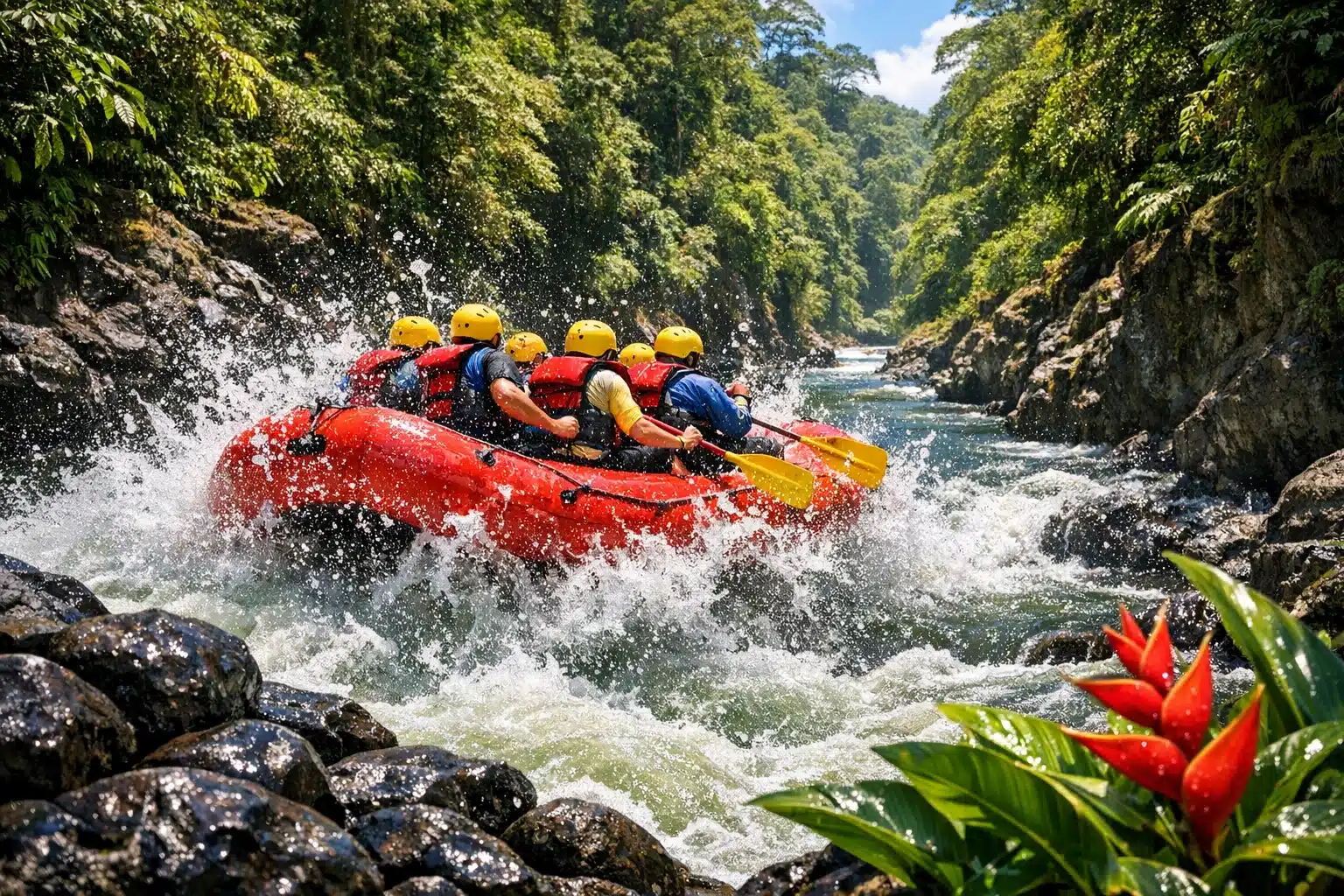
Season matters more than many first-time travelers expect. A trekking path that is ideal in October may be muddy, dangerous, or closed during the rains. A famous surf break can be gentle in one season and powerful in another. Mountain objectives depend on snowpack, daylight length, and freeze-thaw cycles. Tropical regions may swing between lush beauty and cyclone risk. Research the activity first, then the place. For example, Nepal is iconic for high-altitude trekking, but altitude, crowd levels, and flight reliability shape the experience. Costa Rica suits travelers who want rainforest, whitewater, and wildlife with comparatively accessible logistics. Iceland offers dramatic landscapes and superb road-trip adventure, though weather can change rapidly even in summer. Patagonia delivers huge scenery and wind that feels almost theatrical, but transport, campsites, and reservations need careful coordination.
Budget planning should also be realistic rather than optimistic. Adventure travel often carries hidden costs that do not appear in glossy itinerary summaries. The flight may be only the beginning. You may also need technical gear, specialist clothing, activity permits, local transport, travel insurance that explicitly covers the sport, emergency communication devices, guide fees, park entrance charges, equipment rental, and contingency funds for weather delays. A cheap trip can become expensive quickly if one missing item forces a last-minute purchase in a remote town.
Break the budget into categories before booking anything:
- International and regional transportation
- Accommodation before and after the main activity
- Guide or operator fees
- Permits, park fees, and conservation charges
- Insurance with adventure-specific coverage
- Gear purchase, rental, and maintenance
- Meals, snacks, purification, and water access
- Emergency reserve for route changes or extra nights
Permits deserve special attention because they can determine both cost and feasibility. Popular trails, summit windows, and protected marine zones often limit numbers to reduce impact and improve safety. That restriction is good for the environment, but it means procrastination can close the door on a trip months in advance. Guided operators sometimes secure allocations earlier than independent travelers, which partly explains their pricing.
The strongest plans balance ambition with resilience. Leave buffer days around weather-sensitive activities. Build transport connections that can absorb delay. Choose a destination not only for its drama, but also for its fit with your schedule, cash flow, and current skill level. A good plan feels less like a cage and more like a launch platform, sturdy enough to support the leap.
3. Skills, Safety, and Gear: Why Smart Systems Make High-Energy Travel Better
Adventure travel becomes more enjoyable when safety is treated as a system rather than a slogan. The purpose is not to sterilize risk until nothing interesting remains. The purpose is to prevent avoidable mistakes so that the challenge left on the table is meaningful, not foolish. In practice, that means building layers: skills, equipment, communication, health preparation, weather judgment, route decisions, and the humility to turn around when conditions shift.
Skills come first because good gear cannot compensate for poor decision-making. If you are planning a climbing trip, basic movement, rope work, belay technique, and partner communication matter more than owning the latest jacket. If you are headed for high-altitude trekking, pacing, acclimatization habits, and recognition of altitude illness symptoms are far more valuable than a dramatic social media caption. If diving is on the agenda, buoyancy control, emergency drills, and conservative ascent habits protect both you and the marine environment. Many reputable operators will require proof of training for exactly these reasons.
Health preparation is often underestimated by fit travelers. Endurance, strength, mobility, sleep quality, and heat or cold tolerance all play different roles depending on the activity. The body responds to stress in specific ways. Above roughly 2,500 meters, altitude can reduce performance and affect appetite, sleep, and decision-making. On long paddling or cycling days, fueling matters as much as stamina. In hot climates, dehydration quietly erodes judgment before it feels dramatic. On diving trips, conservative practice includes leaving a suitable interval before flying, often 18 to 24 hours depending on the dive profile and training guidance.
Equipment should fit the route, not your shopping mood. Rental works well for occasional activities or first attempts, especially for expensive items like crampons, avalanche safety gear, drysuits, or dive hardware. Buying makes sense when fit, familiarity, and repeated use matter, such as boots, backpacks, helmets, or base layers. In technical disciplines, look for gear that meets recognized safety standards, such as CE or UIAA markings where relevant. Comfort is not a luxury here. A boot that rubs on day one can become a trip-limiting injury by day three.
A strong safety system usually includes:
- A route plan shared with someone trustworthy
- Local weather checks close to departure time
- Insurance that covers evacuation and the exact activity
- A first-aid kit sized to the environment and group
- Backup navigation, not just one phone with fading battery
- Emergency communication for remote areas, such as a satellite messenger
- Clear turnaround criteria for weather, fatigue, or exposure
Notice what is missing from that list: bravado. Adventure culture sometimes glorifies improvisation, but many incidents begin with small lapses that felt harmless in the moment. A missed water refill, an ignored weather bulletin, a late start, a poor partner match, or an overloaded pack can start a chain reaction. The best thrill seekers are not fearless machines. They are attentive, adaptable, and willing to protect the future version of themselves who wants to keep exploring for decades.
4. Guided or Independent, Fast or Slow: Ethics, Local Knowledge, and Environmental Responsibility
One of the most useful decisions in adventure travel is choosing how you want to move through a place, not just where you want to go. Guided trips offer structure, local expertise, language support, and often a wider margin of safety. Independent travel offers autonomy, spontaneity, and the satisfaction of self-navigation. Neither model is automatically more authentic. Authenticity comes from how attentively you engage with the destination, how responsibly you behave, and whether your presence adds value rather than strain.
A skilled local guide can transform a route from a physical challenge into a richer narrative. They may read weather patterns, river conditions, wildlife signs, and trail history in ways that visitors simply cannot. In many regions, guides also strengthen the local economy more directly than international booking platforms do. That said, not all operators deserve trust. A polished website does not guarantee solid safety culture, fair wages, or environmentally sound practices. Ask direct questions before you commit.
Useful questions for evaluating an operator include:
- What training and certifications do guides hold for this activity?
- What is the guide-to-guest ratio in technical terrain?
- How are porters, drivers, or support staff paid and equipped?
- What is the emergency response plan if weather or injury changes the itinerary?
- How do you handle waste, water sourcing, wildlife interaction, and campsite impact?
- Do you use small groups to reduce pressure on trails and local communities?
Environmental responsibility is not a decorative extra for adventure travelers. It is part of competence. Fragile ecosystems can be damaged by off-trail shortcuts, careless sunscreen choices in marine environments, litter, fire misuse, noise, and poor sanitation. The Leave No Trace framework remains one of the most practical principles available: plan ahead, travel on durable surfaces, dispose of waste properly, leave what you find, minimize campfire impact where fires are allowed, respect wildlife, and consider other visitors. Simple actions matter. Refill water rather than buying piles of single-use bottles. Clean boots and gear when moving between ecosystems to avoid spreading invasive organisms. Keep a respectful distance from animals, even when the photograph would look incredible.
Speed is another ethical choice. Some trips are designed like checklists, moving from one adrenaline spike to the next. Others allow room for learning, conversation, and observation. Slowing down can improve both safety and meaning. You notice trail erosion. You learn why a river is sacred to nearby communities. You understand why a beach should not be treated like an empty backdrop. The most rewarding adventure travel often combines intensity with attention. The cliff, glacier, reef, or canyon is not a stage built for the visitor. It is a living place with its own limits, and wise travelers learn to act accordingly.
5. Conclusion for Thrill Seekers: Build a Bigger Travel Life, Not Just a Bigger Story
For thrill seekers, the real prize is not a single dramatic moment. It is the gradual construction of a travel life that stays vivid year after year. A summit photo, a clean wave, a canyon descent, or a long trail finish can be thrilling, but those moments become more valuable when they sit inside a pattern of learning. Every trip teaches something practical: how you respond to fatigue, which climates suit you, what level of uncertainty excites rather than overwhelms you, and how much support you actually want on the ground.
That is why the smartest approach is progressive rather than performative. You do not need to leap straight into the most technical version of your dream. Take a course. Try a shorter route. Rent equipment before buying the expensive setup. Travel with a respected guide in unfamiliar terrain, then go more independent once your judgment catches up with your ambition. Confidence built this way is quieter than bravado, but it is far more durable. It also tends to make the trip itself more enjoyable, because you spend less energy pretending to be ready and more energy noticing what is around you.
If you want a practical next step, create a simple adventure roadmap for the next twelve months:
- Choose one activity that feels achievable now and one that feels aspirational
- Book or complete the training needed for the harder goal
- Build fitness around the specific demands of that activity
- Set a realistic savings target that includes gear and insurance
- Research a destination based on season, safety, and values, not hype alone
- Travel with enough flexibility to adapt when conditions change
The result is more than a holiday plan. It is a system for staying curious without becoming careless. Adventure travel at its best sharpens perception, broadens humility, and reconnects people with landscapes that feel larger than daily routine. It can also deepen respect for local communities, ecosystems, and the craft required to move well through difficult terrain.
So if your pulse lifts at the thought of high trails, rough water, volcanic islands, or long roads bending into empty country, take that instinct seriously. Feed it with preparation. Shape it with judgment. Then go, not to prove that you are fearless, but to discover how capable, attentive, and alive you can become when the world stops being background scenery and starts feeling wonderfully, fully real.