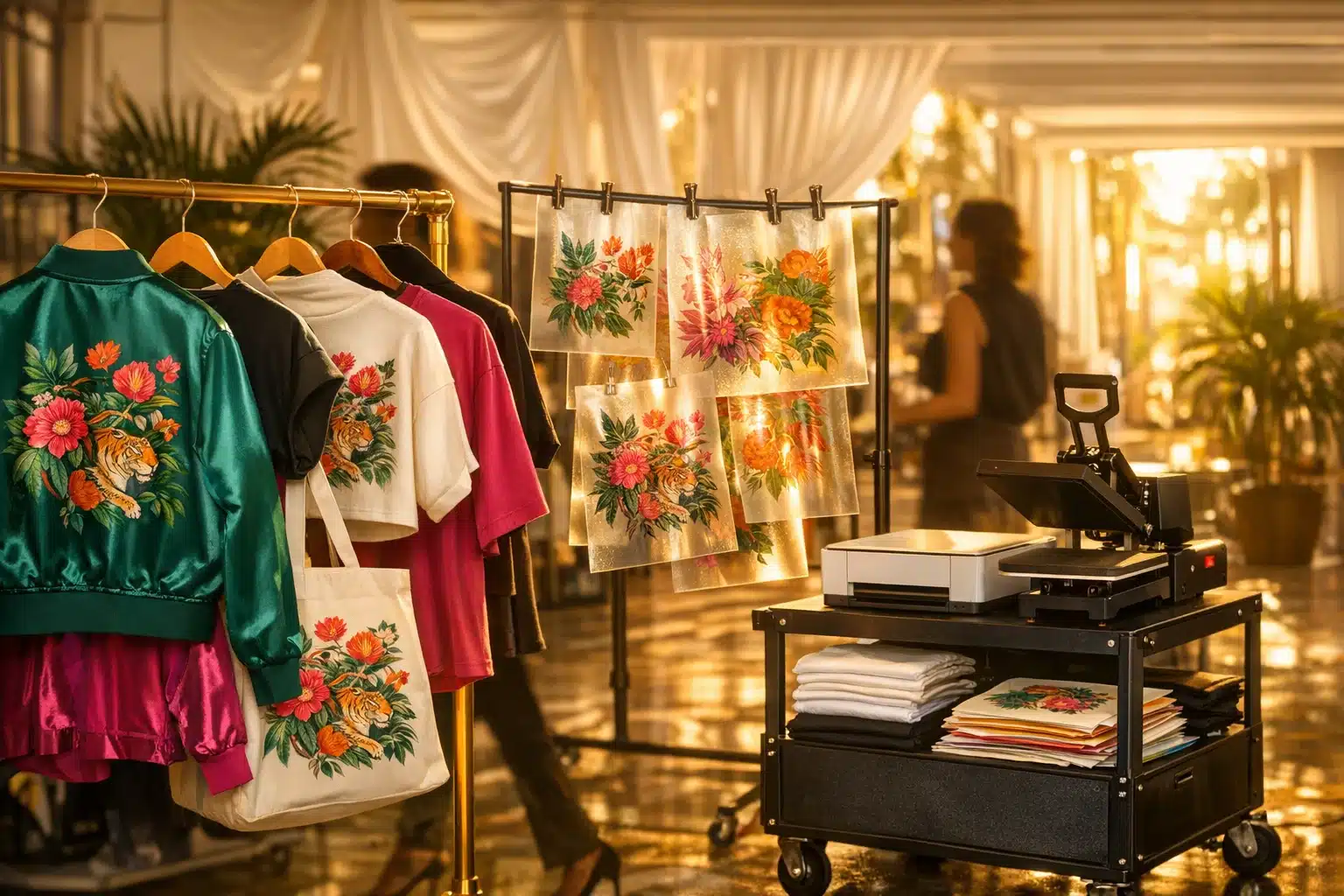
DTF Printer
Custom apparel has moved far beyond simple logo tees, and print shops now need methods that can handle short runs, vivid graphics, and mixed fabric orders without turning production into a puzzle. DTF printing has emerged as a practical option, blending transfer-based production with strong color output and broad garment compatibility. For startups, growing brands, and established decorators alike, it offers a useful balance of speed, cost control, and design freedom that deserves a closer look.
This article begins with a simple outline and then expands each point in detail to help readers understand where DTF printers fit in the custom apparel market.
- How DTF printing works and how it compares with other decoration methods
- Why DTF is valued for color quality, detail, and fabric versatility
- The business benefits of DTF for small batches, on-demand orders, and brand growth
- The practical side of ownership, including workflow, costs, maintenance, and limitations
- A conclusion focused on who should consider a DTF printer and how to evaluate the investment
How DTF Printing Works and Why It Stands Out
DTF, short for direct-to-film, is a garment decoration process that prints a design onto a special film, applies adhesive powder to the wet ink, cures that adhesive, and then transfers the image to fabric with a heat press. The process sounds technical at first glance, yet its logic is fairly approachable: instead of printing directly onto a shirt, you prepare the artwork as a transfer first and apply it when you are ready. That small shift in workflow is one reason DTF has become so appealing in custom apparel.
The typical setup includes a DTF printer, pigment inks, transfer film, adhesive powder, a curing method, RIP software, and a heat press. In production terms, the steps are usually straightforward:
- Print the color layer and white ink base onto film
- Apply hot-melt adhesive powder
- Cure the powder so the transfer becomes press-ready
- Heat press the design onto the garment
- Peel the film and finish with a final press if needed
Compared with screen printing, DTF is often more efficient for short runs, samples, names-and-numbers jobs, and highly varied orders. Screen printing remains powerful for large quantities because setup costs can be spread across many pieces, but every color generally requires screens, setup time, and cleanup. That makes small personalized batches less convenient. DTF, by contrast, can move from one design to the next with far less preparation.
Compared with DTG, or direct-to-garment printing, DTF offers broader fabric flexibility. DTG performs especially well on cotton and often needs pretreatment to achieve strong results. DTF transfers can be applied to cotton, polyester, blends, and several other materials, which gives decorators more room to say yes when an order includes mixed garments. Compared with heat transfer vinyl, DTF usually allows finer detail, smoother gradients, and more complex artwork without weeding each design by hand.
In a busy shop, that difference matters. One order might be six black hoodies, two safety vests, four performance tees, and a tote bag with matching art. Older workflows may treat that as four separate headaches. A DTF workflow can turn it into a more manageable sequence. That flexibility is not magic, and it does not replace every other method, but it explains why DTF printers have become such a serious part of the conversation in custom apparel.
Color, Detail, and Fabric Versatility in Real-World Apparel Production
One of the strongest arguments for DTF printing is the visual result it can produce across different types of garments. Custom apparel buyers often want more than a simple chest logo. They want bold band merchandise, athletic graphics, event shirts with gradients, illustrated back prints, or small branded details on caps, bags, and sleeves. DTF is well suited to that demand because it can reproduce full-color artwork with fine detail and strong opacity, especially when white ink is laid down beneath the design.
This matters most when fabric variety enters the picture. Cotton has long been the comfortable favorite for many apparel decorators, but modern orders often include performance polyester, cotton-poly blends, workwear, fleece, and accessories. DTF can serve a broad range of those materials, provided the transfer is properly produced and applied. That makes it a useful option for shops handling mixed orders where consistency and speed matter. A customer does not always care how the image got there. They care that the print looks sharp, feels presentable, and survives normal wear.
In practical terms, DTF offers several quality-related advantages:
- Good color vibrancy on both light and dark garments
- Strong line detail for small text and intricate graphics
- Smooth reproduction of gradients and photographic elements
- Reliable transfer performance across multiple garment types
Durability is another common question. Well-made DTF transfers can hold up well under regular washing, but longevity depends on variables such as ink quality, powder quality, curing temperature, press pressure, fabric type, and care instructions. Many suppliers market DTF transfers as capable of handling dozens of wash cycles before noticeable wear, yet real-world results vary. That is why responsible shops test their settings before promising consistency at scale. The print should stretch with the garment reasonably well, resist cracking when properly cured, and maintain color better when garments are washed inside out and dried with moderate heat.
Feel also matters. Early transfer methods sometimes left a stiff, plastic-like patch that customers tolerated rather than liked. DTF can still feel more noticeable than certain direct print methods, especially on large solid areas, but modern materials often produce a softer and more flexible finish than many buyers expect. When the artwork is designed thoughtfully, with breathable negative space and smart use of color blocks, the final garment can feel far more wearable.
There is a quiet kind of excitement in seeing a complicated design land cleanly on a fabric that once seemed difficult. A bright illustration on a dark performance shirt used to trigger extra planning or compromise. With DTF, it can become a normal part of the workday. That is a meaningful benefit for apparel businesses trying to offer wider creative options without rebuilding their entire production model.
Why DTF Printers Make Business Sense for Custom Apparel Shops
From a business perspective, DTF is attractive because it lines up well with how many custom apparel orders actually arrive: in small quantities, with fast deadlines, and with artwork that changes constantly. The ideal production method is not always the one with the highest theoretical output. Often, it is the method that allows a shop to accept more profitable jobs with fewer bottlenecks. DTF fits that reality surprisingly well.
One major benefit is reduced setup friction. A screen printing job with several colors and only a handful of shirts may not justify the labor involved. A DTF workflow can often produce that order more efficiently because there is no screen burning, no color-by-color registration at press, and less hesitation when the customer wants variations. For print shops, that flexibility can translate into faster quoting, shorter turnaround times, and the ability to serve niches such as personalized apparel, school spirit wear, creator merchandise, and local event gear.
DTF also supports on-demand and hybrid inventory models. A business can print transfers ahead of time for popular designs and apply them only when garments are ordered. That changes how stock is managed. Instead of tying up cash in finished garments of every size and color, some decorators keep blank apparel on hand and press designs as needed. For small brands, that can reduce overproduction and lower the risk of boxes full of unsold inventory gathering dust in a corner.
Commercially, the advantages often show up in these areas:
- Short-run profitability for low-quantity orders
- Easy personalization for names, numbers, and limited editions
- Broader product catalogs without needing separate print systems for every fabric
- Faster response to trend-driven designs and seasonal campaigns
- Scalable production when combined with gang sheets and efficient transfer planning
Another overlooked strength is outsourcing flexibility. Some apparel sellers do not even need to own a DTF printer at first. They can buy ready-made transfers from trade suppliers, test the market, and later decide whether in-house production makes sense. That lowers the barrier to entry for ecommerce brands, local shops, and side businesses. Once volume grows, bringing DTF in-house may improve margins and scheduling control.
Of course, DTF is not a shortcut to effortless profit. Good artwork preparation, consistent pressing, and disciplined color management still matter. But when used thoughtfully, a DTF printer can open doors that older methods sometimes leave half-closed. For a shop owner, that can mean saying yes more often. And in custom apparel, every additional yes can become a relationship, a repeat customer, or a brand that grows with you over time.
Costs, Workflow, Maintenance, and the Limitations Buyers Should Understand
DTF printing has real advantages, but sensible decisions are made with a full view of the trade-offs. Anyone considering a DTF printer for custom apparel should look beyond the marketing headlines and evaluate the total workflow. The printer itself is only one part of the investment. A complete setup may include software, film, inks, adhesive powder, curing equipment, a heat press, cleaning supplies, humidity control, and time for testing. Entry-level systems may start in the low thousands when paired with basic equipment, while more production-oriented lines can cost far more. The true question is not simply, “What does the printer cost?” but “What does reliable output cost over time?”
Maintenance deserves special attention. DTF printers often rely on white ink, and white ink can be demanding. It tends to settle, which means circulation, agitation, and regular upkeep are important. Print heads can clog if the machine sits idle or if maintenance routines are ignored. Shops that thrive with DTF usually treat it like a production system, not like an appliance that can be forgotten for a week and expected to behave perfectly on Monday morning.
Practical buyers should weigh these factors:
- Daily and weekly maintenance requirements
- Environmental control for consistent printing and curing
- Learning curve for RIP software, color profiles, and transfer settings
- Consumable costs that affect per-print margins
- Ventilation and workspace needs, depending on the curing process used
There are also aesthetic limitations to keep in mind. Large, solid transfers can feel heavier on the garment than some customers prefer, particularly on lightweight fashion apparel. Breathability may be reduced when designs cover a large area. If a brand specializes in premium soft-hand prints on ring-spun cotton, DTG or water-based screen printing may still be the better choice for certain projects. DTF is versatile, but it is not automatically the best fit for every aesthetic goal.
Workflow discipline matters as well. Powder must be applied evenly. Curing must be complete but not excessive. Press temperature, pressure, and timing need to match the transfer and the garment. Small inconsistencies can show up later as adhesion issues, edge lift, or premature wear. This is why sampling is so important. A careful shop will test on the actual garments it plans to sell, wash those samples, and document results before scaling production.
Think of DTF as a capable workhorse rather than a mythical creature. It can carry a substantial load, but it performs best when fed properly, cleaned regularly, and given a sensible route. Buyers who understand that tend to make better investments, choose better equipment, and build steadier production habits. In the apparel business, that kind of realism is not pessimism. It is professional survival.
Conclusion: Who Should Consider a DTF Printer for Custom Apparel?
DTF printing is especially compelling for people and businesses that need flexibility more than rigid production specialization. If you run a custom apparel shop that handles varied fabrics, short runs, rush orders, and frequent design changes, a DTF printer can be a practical addition. If you sell merch for creators, schools, clubs, gyms, local events, or small brands, the ability to move quickly from one design to another can strengthen both margins and customer service. In those environments, DTF is not simply a new machine. It is a way to keep production aligned with the modern buying pattern of customization, speed, and low-volume variety.
For startups, DTF can shorten the gap between idea and sale. You do not need to wait for large order quantities to make a design viable, and you can test collections without overcommitting to inventory. For established decorators, DTF can complement existing methods rather than replace them. Screen printing may still own the high-volume jobs. DTG may still win on certain cotton garments and soft-hand preferences. Embroidery may still be the premium answer for polos, caps, and outerwear. The smartest shops rarely ask which method is universally best. They ask which method is best for this order, this customer, and this margin target.
A useful decision checklist includes the following questions:
- Do you frequently receive low-quantity or personalized apparel orders?
- Do you need to decorate multiple fabric types with one workflow?
- Can you commit to regular maintenance and process control?
- Will DTF replace outsourced transfers or unlock new revenue streams?
- Does the print feel and look match your target customer’s expectations?
If the answer to most of those questions is yes, DTF deserves serious consideration. It offers a rare mix of creative freedom and operational practicality, which is why so many apparel businesses have adopted it. The method is not flawless, and it should be evaluated with honest testing rather than hype. Still, for many readers in the custom apparel space, the benefits are substantial: broader product options, better responsiveness, lower barriers for small runs, and a stronger ability to serve customers who want something specific rather than something generic.
That, in the end, is the real value of a DTF printer. It helps turn custom apparel from a narrow production model into a more adaptable business. For printers, brand builders, and garment decorators who want room to create without sacrificing efficiency, DTF is well worth understanding in depth.