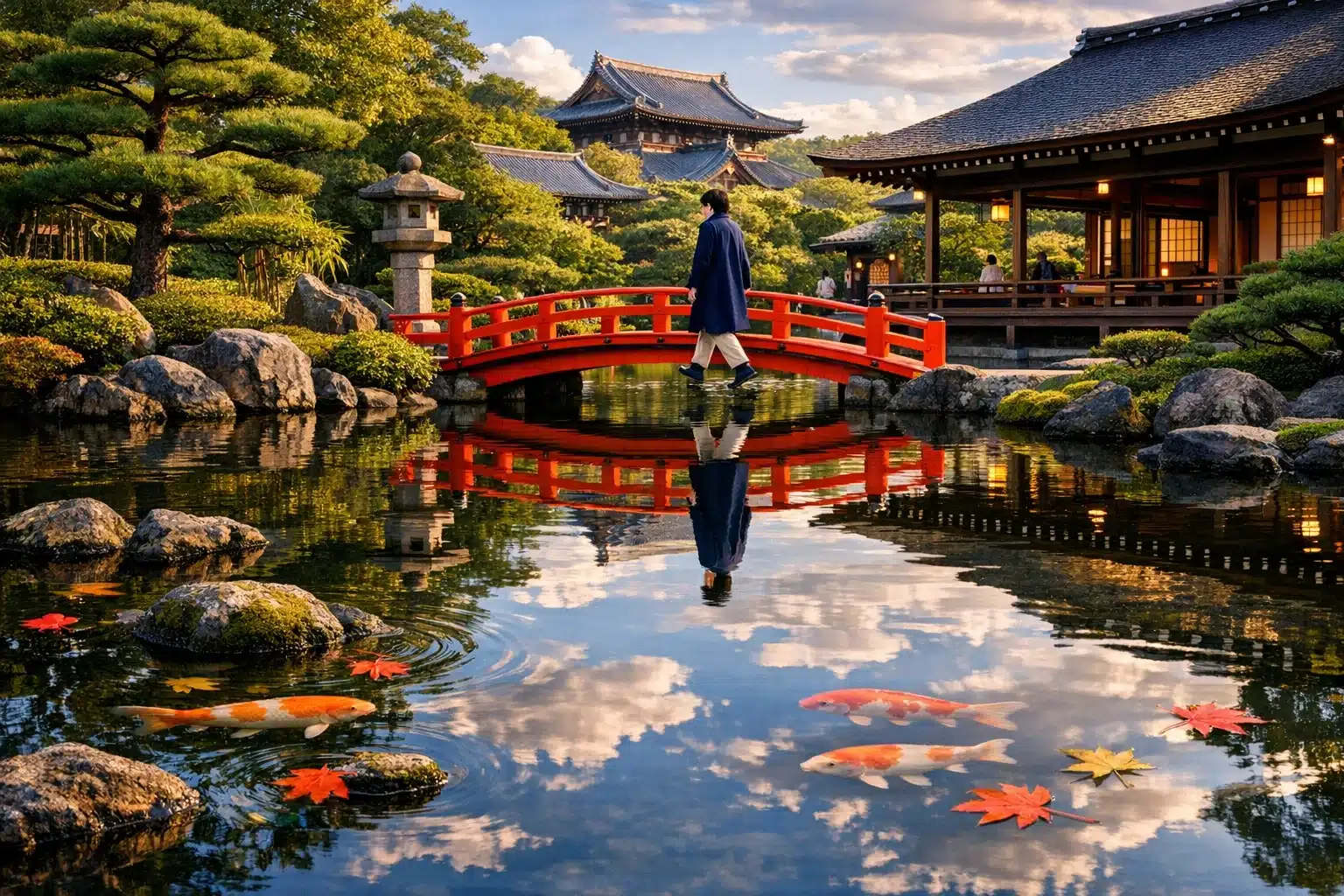
Solo Travel
Traveling alone changes the pace of a journey in ways group trips rarely can. Without needing to match someone else’s budget, appetite, or energy, you start noticing what actually draws you in, whether that is a crowded food market at dusk or a silent trail above a lake. Solo travel matters because it builds confidence through ordinary decisions, from catching the right train to asking for help in a new language. It is also increasingly relevant in a world where flexible work, digital tools, and a growing appetite for meaningful experiences have made independent travel more accessible than ever.
Article Outline
- Why solo travel feels different from traveling with friends, family, or a partner
- How to choose destinations that match your budget, comfort level, and curiosity
- What practical planning matters most for safety, money, and daily logistics
- How to meet people on the road while keeping your independence intact
- What solo travel teaches long after the suitcase is unpacked
Freedom, Attention, and the Real Appeal of Solo Travel
The most obvious advantage of solo travel is freedom, but the deeper benefit is attention. When you travel with others, even people you care about deeply, the experience becomes a negotiation. One person wants a long lunch, another wants a packed museum schedule, and someone else needs a nap by midafternoon. None of that is wrong; it is simply how shared travel works. Solo travel removes much of that friction. Your day can stretch or contract according to your energy, your interests, and the small surprises that appear when you are willing to follow them.
This flexibility is one reason independent travel keeps attracting more people. Travel companies, tour operators, and booking platforms have all noted strong demand for solo-friendly options in recent years, especially among women travelers, remote workers, and older adults who no longer see companionship as a requirement for exploring the world. The appeal crosses age groups because the core value is simple: people want experiences shaped by intention rather than compromise. A traveler who loves architecture can spend three hours in one cathedral. Another who prefers food can build a whole day around one market, one bakery, and one late dinner. Alone, neither choice needs defending.
There is also a psychological shift that often surprises first-time solo travelers. Because no familiar companion is present to mirror your reactions, the trip feels more vivid. You observe more carefully. You listen more closely. You become the person who must read the signs, check the platform number, judge the weather, and decide whether to linger or leave. These may sound like ordinary tasks, yet they create a quiet form of competence. Confidence does not usually arrive as a dramatic speech to yourself; it grows through repeated proof that you can manage unfamiliar moments.
A city can feel almost cinematic when you walk through it alone. The morning coffee tastes earned. The wrong turn becomes part of the story. Even waiting at a station can feel less like wasted time and more like a scene in which you are fully present. Compared with group travel, solo travel often offers:
- More control over schedule and spending
- Greater openness to local conversations and spontaneous detours
- Sharper self-awareness about comfort zones and interests
- Fewer compromises about pace, food, nightlife, or sightseeing style
That does not mean solo travel is automatically better. Group trips can reduce costs, create shared memories, and provide emotional ease. But solo travel offers something distinct: a chance to meet a place without the filter of familiar company. For many people, that difference is not small. It is the whole point.
Choosing New Destinations with Confidence and Curiosity
Picking the right destination is often the difference between a rewarding solo trip and an exhausting one. The best place is not always the most famous, the cheapest, or the one filling your social media feed. It is the place that fits your experience level, communication style, budget, and tolerance for uncertainty. A first solo trip may feel smoother in a walkable city with reliable public transport and a visible tourism infrastructure. A later trip might be a slower, less scripted adventure through a region where fewer things are translated and fewer people speak your language. Neither is more authentic by default; each simply asks for different skills.
One useful comparison is city travel versus rural or remote travel. Cities often provide easier logistics. They usually offer multiple transport options, a wider range of accommodations, late opening hours, and more chances to meet people through tours, cafés, coworking spaces, or events. They are also easier to navigate when plans go wrong. If your train is canceled in a major city, there is often another route, another bus, or another hotel nearby. Rural destinations can be deeply rewarding, especially for travelers seeking landscapes, quiet, or outdoor adventure, but they demand stronger preparation. Transport can be infrequent, phone signals weaker, and backup options limited.
Timing matters too. Traveling in shoulder season, the weeks between peak and off-peak periods, often works especially well for solo travelers. Prices may be lower, attractions less crowded, and local interactions less rushed. A beach town in midsummer can be lively, but it can also be expensive and full of noise. The same place in late spring may feel more breathable and easier to enjoy alone. Likewise, a capital city in winter may offer museum-heavy days, lower room rates, and a calmer rhythm that suits independent wandering.
When evaluating a destination, it helps to think in categories rather than emotion alone:
- Safety profile: Is the area generally well reviewed by independent travelers?
- Mobility: Can you move around easily without a car?
- Budget range: Are meals, transport, and lodging predictable or highly variable?
- Language comfort: Will translation apps be enough, or is local language skill more important?
- Interest match: Does the destination support what you actually enjoy, not what sounds impressive online?
Comparisons can clarify choices. Lisbon may suit someone who wants walkable neighborhoods, public transport, and a social hostel scene. Kyoto may appeal to a traveler who enjoys structure, etiquette, and quiet cultural immersion. A mountain village may be ideal for a hiker who wants stillness but less suitable for someone who feels isolated at night. The right destination is the one that allows curiosity to expand without turning every day into a stress test. That balance, more than any trend list, is what makes a solo journey sustainable and joyful.
Planning Well: Safety, Budget, and the Small Logistics That Matter
Solo travel feels spontaneous when it is done well, but that sense of ease usually rests on solid planning. The goal is not to schedule every hour. It is to reduce avoidable friction so your energy can go toward discovery instead of damage control. Good planning starts with the basics: copies of key documents, a realistic budget, a phone that works abroad, and a clear arrival plan for the first day. That last detail matters more than many travelers expect. Reaching a new destination after a long flight is when confusion and fatigue are most likely to pile up. Knowing how you will get from the airport or station to your accommodation can turn a stressful landing into a manageable one.
Safety deserves a practical, not fearful, approach. Most solo trips are completed without major problems, but independent travelers benefit from habits that lower risk. Share your itinerary with someone you trust. Save offline maps. Learn the local emergency number. Keep some backup money separate from your main wallet. Read recent accommodation reviews, paying attention not just to comfort but also to neighborhood feel, late check-in procedures, and staff responsiveness. If you arrive late, book a place with clear directions and reliable access rather than choosing purely on price.
Budgeting also changes when you travel alone. Shared accommodation costs disappear as an option if you want private space, and some expenses such as taxis or rental cars can feel heavier without someone to split them with. On the other hand, solo travelers often spend less on compromise purchases. You may skip the expensive restaurant that does not interest you, choose one museum instead of three, or walk instead of paying for transport simply because the route looks pleasant. Many experienced solo travelers use a three-part daily budget:
- Fixed essentials such as accommodation, transit passes, and intercity tickets
- Flexible costs such as food, coffee, attraction entries, and laundry
- Protected reserve funds for emergencies, weather changes, or last-minute adjustments
Technology helps, but it is not a full safety system. Translation apps, mobile banking, eSIMs, and route planners are genuinely useful, yet batteries die and signals fail. Carrying written addresses, knowing the name of your accommodation, and understanding the basics of your route still matter. Travel insurance is another area where practical thinking beats optimism. Delayed bags, canceled flights, and sudden illness are not dramatic plot twists; they are routine travel realities.
Accommodation choice deserves special attention because it shapes both security and mood. Hotels may offer consistency and privacy. Hostels can lower costs and increase social contact, though the quality varies widely. Guesthouses and apartment rentals can provide local character, but check arrival procedures carefully. A good solo base should give you three things: decent sleep, straightforward entry, and a location that does not make every return journey feel uneasy. If planning sounds unromantic, think of it this way: preparation is what gives spontaneity room to breathe.
Meeting People Without Giving Up Your Independence
One of the biggest myths about solo travel is that it must be lonely. In reality, traveling alone often makes social contact easier because you appear more approachable and because you notice opportunities you might ignore in a group. The question is not whether you can meet people; it is how to do it in ways that suit your personality. Some travelers want dinner companions every evening. Others want a conversation in the morning and silence by night. Solo travel can accommodate both, provided you choose the right environments.
Accommodation plays a major role here. A sociable hostel with shared kitchens, walking tours, and common rooms can make meeting others almost effortless. Private hotels or short-term apartment rentals offer more privacy but can reduce casual interaction. Neither option is inherently superior. The better choice depends on the kind of energy you want after a day out. If you value rest and quiet, a private room may protect the trip from social fatigue. If you want easy conversation and perhaps companions for a museum visit or local food crawl, a hostel or guesthouse may open more doors.
Structured activities are often the best middle ground because they remove the awkwardness of starting from zero. A cooking class, city walking tour, language exchange, hiking group, coworking event, or small-group day excursion gives conversation a shared subject. You are not inventing a reason to speak; the activity supplies one. This is especially useful in destinations where nightlife is not your scene or where random socializing feels forced. Many travelers find that one or two well-chosen activities create enough connection to make a whole trip feel socially balanced.
Some of the most natural encounters happen in ordinary places: a long table at breakfast, a train platform, a bookstore café, a neighborhood wine bar, or a line outside a gallery. But connection works best when paired with boundaries. Solo travelers should feel free to leave conversations, decline invitations, or change plans without guilt. Independence is not canceled by friendliness. In fact, the most satisfying social experiences on the road often happen because you can choose them rather than rely on them.
It can help to think in terms of social settings and what they tend to offer:
- Hostels: easy introductions, mixed quality, high energy
- Small tours and classes: focused interaction, lower awkwardness, built-in topics
- Coworking spaces and cafés: good for longer stays and repeat encounters
- Local events and markets: richer cultural texture, less predictable interaction
The pleasure of solo travel lies partly in this rhythm: you can share a meal with strangers from three countries, then spend the next morning completely alone in a museum, hearing only your own footsteps. Solitude and connection stop being opposites. They become alternating currents that keep the journey alive.
What Solo Travel Teaches and Why the Experience Lasts
The most lasting value of solo travel usually appears after the trip ends. While you are on the road, the benefits may seem practical: you learned how to navigate a subway system, manage your money, or solve a booking problem without panic. Later, those moments often reveal something larger. You begin to trust your decisions more. You realize that discomfort is not the same as danger. You discover that uncertainty can be handled in steps rather than dramatized into a wall.
This is one reason solo travel often becomes a turning point rather than just a pleasant memory. It changes your relationship with capability. In daily life, people are often sorted into roles they know well: colleague, parent, partner, student, friend. Travel alone strips many of those cues away. You become a person making choices in real time with limited information, and that can be clarifying. Maybe you learn that you like slow mornings more than packed itineraries. Maybe you find that you are less shy than you thought when asking for directions. Maybe you discover that your ideal trip has more gardens, ferries, bookstores, and backstreet lunches than famous landmarks.
There is also a broader cultural benefit. Traveling independently can make you more attentive to how places actually work rather than how they are packaged. You notice commuting patterns, grocery stores, school schedules, neighborhood rituals, and the quiet differences between a tourist district and a lived-in one. This can encourage a more respectful style of travel, especially when paired with slower habits:
- Using local businesses instead of defaulting to global chains
- Learning a few phrases in the local language
- Choosing longer stays over constant movement when possible
- Observing local customs around dress, noise, transport, and public space
Memory works differently on solo trips as well. Without constant conversation beside you, moments often settle more deeply. The color of a tram at sunset, the taste of soup after a rainy walk, the sound of dishes from an apartment window above a narrow lane; these details stay because no one else edits them for you. They belong to your version of the place, shaped by your pace and your attention.
For many travelers, the real joy of exploring new destinations alone is not proving bravery. It is gaining range. You learn how to be delighted without needing a witness, how to be resourceful without becoming rigid, and how to be open without becoming careless. That combination reaches far beyond travel. It follows you home, where ordinary decisions may start to feel a little less intimidating and the world a little larger than it did before you left.
Conclusion for Independent Explorers
Solo travel is especially rewarding for readers who want more than a checklist of sights. It suits people who value freedom, thoughtful planning, and the chance to experience a destination at their own pace. Choosing the right place, preparing for practical realities, and balancing solitude with connection can turn an intimidating idea into a deeply enjoyable trip. If you have been waiting for the perfect companion, it may be worth asking a different question: what destination would you finally explore if your own curiosity were enough? For many independent travelers, that is where the best journeys begin.