Water Purifier
Clean drinking water is easy to take for granted until the taste changes, the kettle gathers white scale, or a routine test raises bigger questions. This guide begins with a simple outline and then moves through water quality, purification technologies, sizing, running costs, and maintenance, so you can compare systems with clarity instead of guesswork. Whether your supply comes from a city line or a private borewell, the best purifier is the one that fits the water entering your home.
Outline: 1) identify your water source and likely contaminants, 2) compare RO, UV, UF, carbon, and softening methods, 3) match system size and style to household habits, 4) calculate maintenance and long-term expense, and 5) use a final checklist to choose with confidence.
1. Start with the Water You Actually Have
The smartest purifier purchase begins before you browse brands, read reviews, or compare glossy feature charts. It starts with a more basic question: what is in your water right now? Homes served by municipal systems, private wells, and borewells often face very different issues. City water may arrive treated but still carry chlorine taste, sediment from aging pipes, or occasional contamination risks after line repairs. Groundwater can be clear to the eye and still contain high hardness, iron, fluoride, nitrates, or excessive dissolved solids. In other words, clear water is not always clean water, and bad-tasting water is not always dangerous.
Many buyers focus only on TDS, or total dissolved solids, because it is easy to measure and widely advertised. TDS matters, but it does not tell the whole story. Two households can show similar TDS values and still need different solutions. One may struggle with hardness and scale, while another may face bacterial contamination. A purifier chosen only from a single number can be either inadequate or unnecessarily aggressive. That is why a basic water test is worth far more than a fast sales pitch.
Useful parameters to check include:
• TDS, which gives a broad sense of dissolved mineral content
• Hardness, which affects scaling in kettles, heaters, and pipes
• Microbial contamination, especially in private water sources
• Iron, fluoride, nitrates, or arsenic where local geology or agriculture makes them relevant
• Chlorine and odor issues in treated urban supply
• pH, which can hint at corrosive or unusually mineral-heavy water
If your water comes from a municipal utility, start with the latest local water quality report and then consider a home test for what may happen inside the building’s plumbing. If you rely on a private source, periodic lab testing is even more important because treatment standards are your responsibility, not the municipality’s. A purifier should be more like a prescription lens than a fashion accessory: it works best when it is fitted to the problem. Once you know what needs to be removed and what can be left alone, the rest of the buying process becomes far more rational.
2. Understand the Main Purification Technologies Before You Compare Models
Water purifiers are often marketed as if one machine can solve every household concern equally well, but each technology is designed for a different job. Knowing the role of each stage helps you avoid paying for features that sound advanced yet do little for your specific water source. The most common systems in homes combine several methods, and the balance between them matters more than the number of buzzwords printed on the carton.
Sediment filtration is usually the first line of defense. These filters target larger particles such as rust, sand, and visible debris, often in the 5 to 20 micron range depending on the cartridge. They protect downstream components and improve clarity, but they do not remove dissolved salts or germs. Activated carbon is excellent for improving taste and smell because it can reduce chlorine, some volatile organic compounds, and certain unpleasant odors. If your tap water tastes like a swimming pool after routine treatment, carbon can make a dramatic difference in daily drinking comfort.
Ultraviolet systems use light to inactivate many microorganisms, making them useful where biological contamination is a concern. They do not remove dissolved chemicals, heavy metals, or hardness, and they work best when the water is already relatively clear. Ultrafiltration, often called UF, can physically remove some microbes and suspended particles without using electricity in some designs, though it is not a universal substitute for every microbial safety challenge. Reverse osmosis, or RO, is the heavy lifter for high TDS water and certain dissolved contaminants. RO membranes are extremely fine, commonly around 0.0001 micron, and can reduce many salts, metals, and other dissolved impurities. The tradeoff is that RO may also remove beneficial minerals, slow flow rate, and produce wastewater.
A simple comparison helps:
• Carbon: best for taste, odor, and chlorine
• UV: useful for microbial control in clear water
• UF: helpful for suspended matter and some microbes
• RO: suited to high TDS or dissolved contaminant concerns
• Water softeners: intended for hardness, not for full drinking water purification
That last point is important. Hard water is a plumbing and appliance issue as much as a drinking issue, so some households need a softener for the whole house and a smaller drinking-water purifier at the kitchen sink. Rather than chasing the longest feature list, think in layers. Good treatment is less like buying a single magic box and more like building a team where each player has a clear role.
3. Match the Purifier to Household Size, Layout, and Daily Habits
Once you understand your water and the technologies available, the next question is practical: how will the purifier fit into your home life? A system that performs well in a brochure can still become a poor choice if it cannot keep up with family demand, takes up awkward space, or turns every refill into a small household ceremony. The ideal model is not simply the most advanced one. It is the one your household will use comfortably every day.
Start with consumption. A rough estimate for drinking and cooking water is often around 3 to 5 liters per person per day, though climate, activity level, and cooking style can push that higher. A family of four may therefore need 12 to 20 liters daily with ease, and perhaps more during summer or when guests are frequent. In that situation, a tiny countertop unit with slow dispensing may feel frustrating, even if its filtration quality is solid. Homes with children or elderly family members often benefit from a storage tank, faster recovery time, and simple dispensing controls.
Placement matters just as much. Under-sink systems save counter space and look clean, but installation can be harder in older kitchens with limited cabinetry. Wall-mounted units suit compact apartments, while countertop purifiers can be practical for renters who want minimal plumbing changes. Whole-house systems serve a different purpose altogether. They treat water for showers, laundry, and appliances, which is especially useful where sediment or hardness affects every faucet. They do not automatically replace a dedicated drinking-water purifier, but in some homes they dramatically improve overall water usability.
Consider these household-fit questions:
• How many people need filtered water every day?
• Do you want purified water only for drinking and cooking, or across the whole house?
• Is there enough pressure for the chosen system to perform properly?
• Do you prefer a tank-based unit or direct flow?
• Are you buying for a permanent home, a rental, or a temporary setup?
This is where lifestyle quietly defeats marketing. A tech-packed purifier with a small tank may annoy a large family. A premium RO unit may be unnecessary in an apartment with already low-TDS municipal water. A renter may value portability more than polished installation. When the machine matches your routine, it fades into the background and simply does its job. That is exactly what a good household appliance should do.
4. Look Beyond Purchase Price to the Real Cost of Ownership
A water purifier is not a one-time expense in the way a bucket or kettle is. It is closer to a small service ecosystem living under your sink or on your kitchen wall. The sticker price matters, but long-term cost matters more. Some models appear affordable at checkout and become expensive over three years because replacement filters, service visits, and water wastage quietly add up. A better buying decision comes from calculating ownership, not merely purchase.
Filter replacement schedules vary by water quality and system type, but many households see pre-filters and carbon cartridges changed roughly every 6 to 12 months. RO membranes may last 2 to 3 years in favorable conditions, though highly mineralized water can shorten their life. UV systems can involve annual lamp replacement or related servicing. If you skip these costs when budgeting, the purifier that looked economical on day one may become less attractive later. Ask not only what the unit costs, but also what the annual maintenance bill is likely to be.
Wastewater is another factor that buyers often discover too late. RO systems reject part of the incoming water while purifying the rest. Newer designs have improved efficiency, yet reject ratios can still vary widely depending on pressure, membrane condition, and model design. In many homes, wastewater can be repurposed for mopping, flushing, or cleaning, but it is still something to consider, especially in water-scarce areas. Electricity use is usually modest for most domestic units, though it is not zero for powered systems.
When comparing models, ask for clarity on:
• Cost and frequency of each filter replacement
• Warranty coverage and whether labor is included
• Availability of service in your area
• Water recovery rate for RO systems
• Certifications or testing standards claimed by the manufacturer
• Hidden extras such as installation kits, pumps, or annual contracts
Certifications deserve attention because they help separate engineering from advertisement. Independent standards, where available, offer more confidence than vague phrases like “advanced purification” or “laboratory tested” without context. Also consider build quality, spare part availability, and whether routine service is easy to schedule. A purifier is not only a filter; it is a commitment to upkeep. Choosing a model with transparent maintenance terms can save both money and irritation long after the delivery box is gone.
5. A Homeowner’s Conclusion: Choose for Your Water, Not the Advertisement
If you are choosing a purifier for your home, the clearest path is also the least glamorous one: test the water, identify the problem, and buy only the treatment your household truly needs. That approach works for apartment dwellers on municipal supply, families using borewell water, renters who need portability, and homeowners planning a whole-house upgrade. It avoids two common mistakes at once: underbuying a unit that cannot handle real contaminants, and overbuying a complex machine that solves problems you do not have.
A practical final checklist looks like this:
• Confirm your water source and get a reliable test
• Decide whether the goal is safer drinking water, better taste, scale reduction, or all three
• Choose the core technology based on contaminants, not on marketing vocabulary
• Size the unit for your household’s daily usage and kitchen layout
• Calculate yearly maintenance, filter changes, and water efficiency before purchasing
• Check service support, warranty details, and replacement part availability in your area
For many urban homes with treated municipal water, a carbon-based purifier or a UV-plus-carbon combination may be enough if the main concerns are taste, odor, and occasional microbial risk. For high-TDS groundwater, RO often becomes more relevant, particularly when supported by pre-filtration and sensible maintenance. For hard-water regions, a separate softener may protect plumbing and appliances better than relying on a drinking-water purifier alone. The right answer changes from home to home, which is exactly why broad claims like “best for everyone” should be treated cautiously.
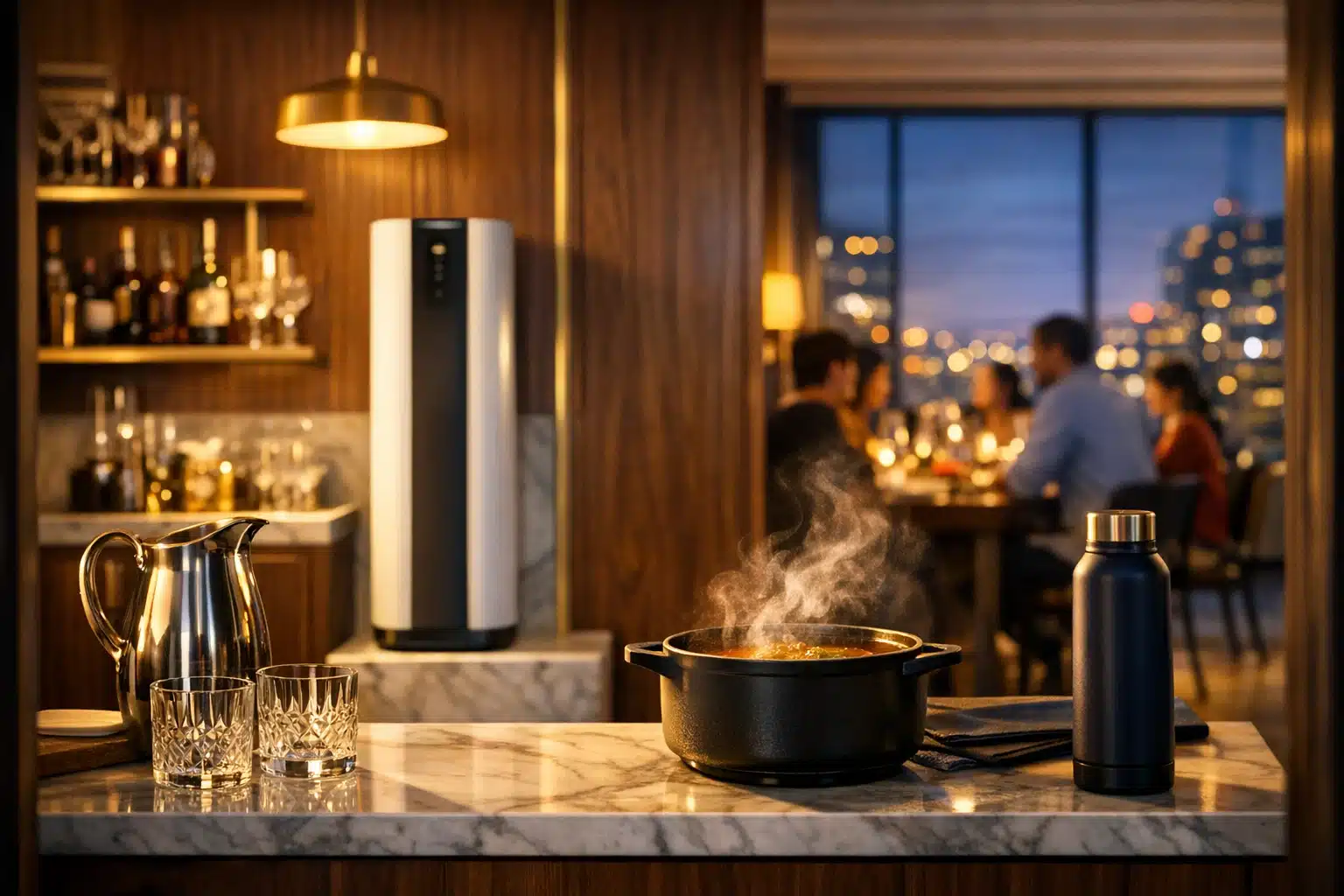
In the end, a good purifier should make daily life calmer, not more complicated. It should give your family confidence in the glass on the table, the soup on the stove, and the bottle packed for the day ahead. For homeowners and renters alike, the winning choice is usually the one that balances safety, simplicity, serviceability, and sensible cost. Buy with evidence, maintain it consistently, and your purifier will feel less like a gadget and more like a quiet, reliable part of the home.